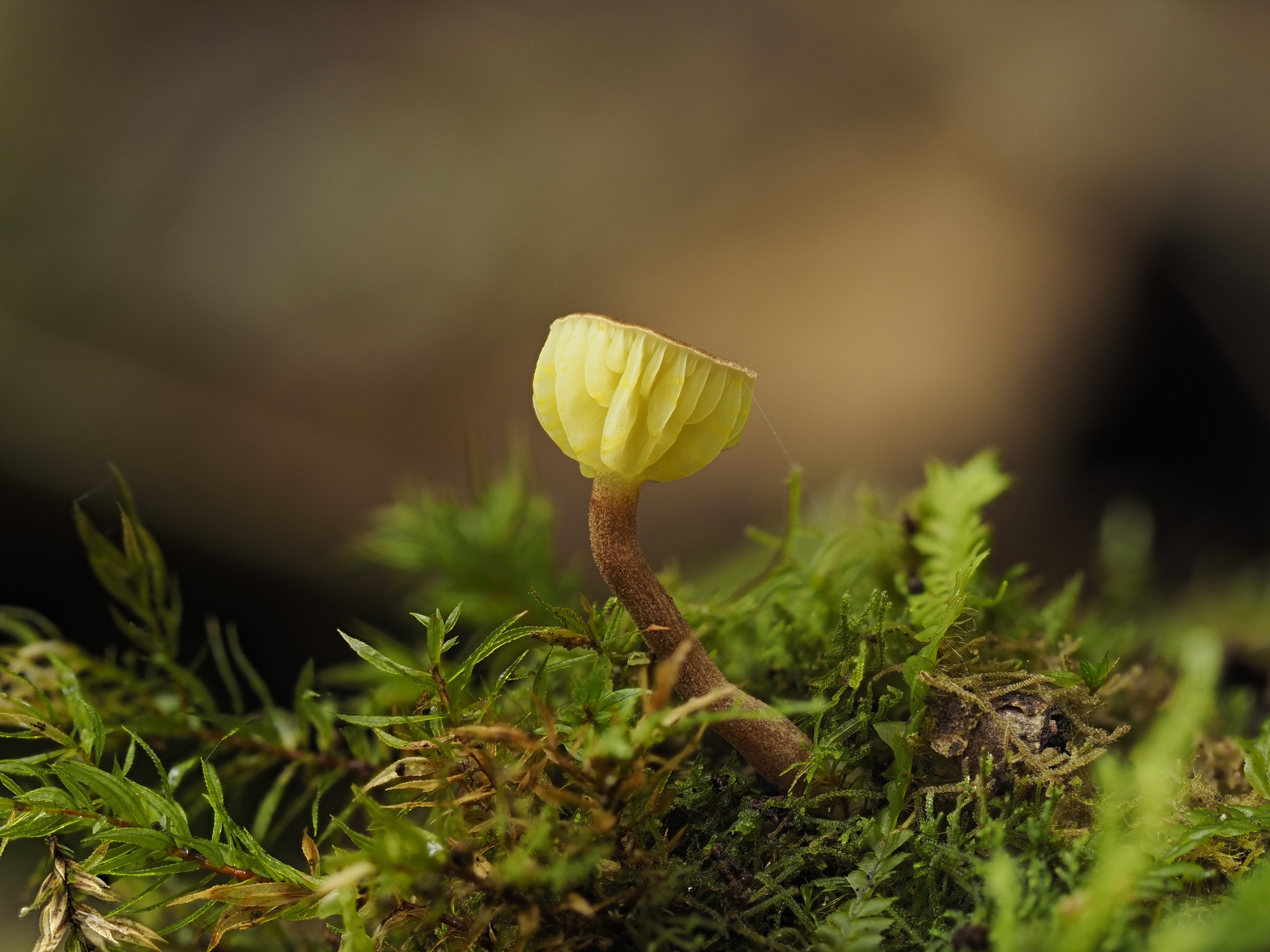
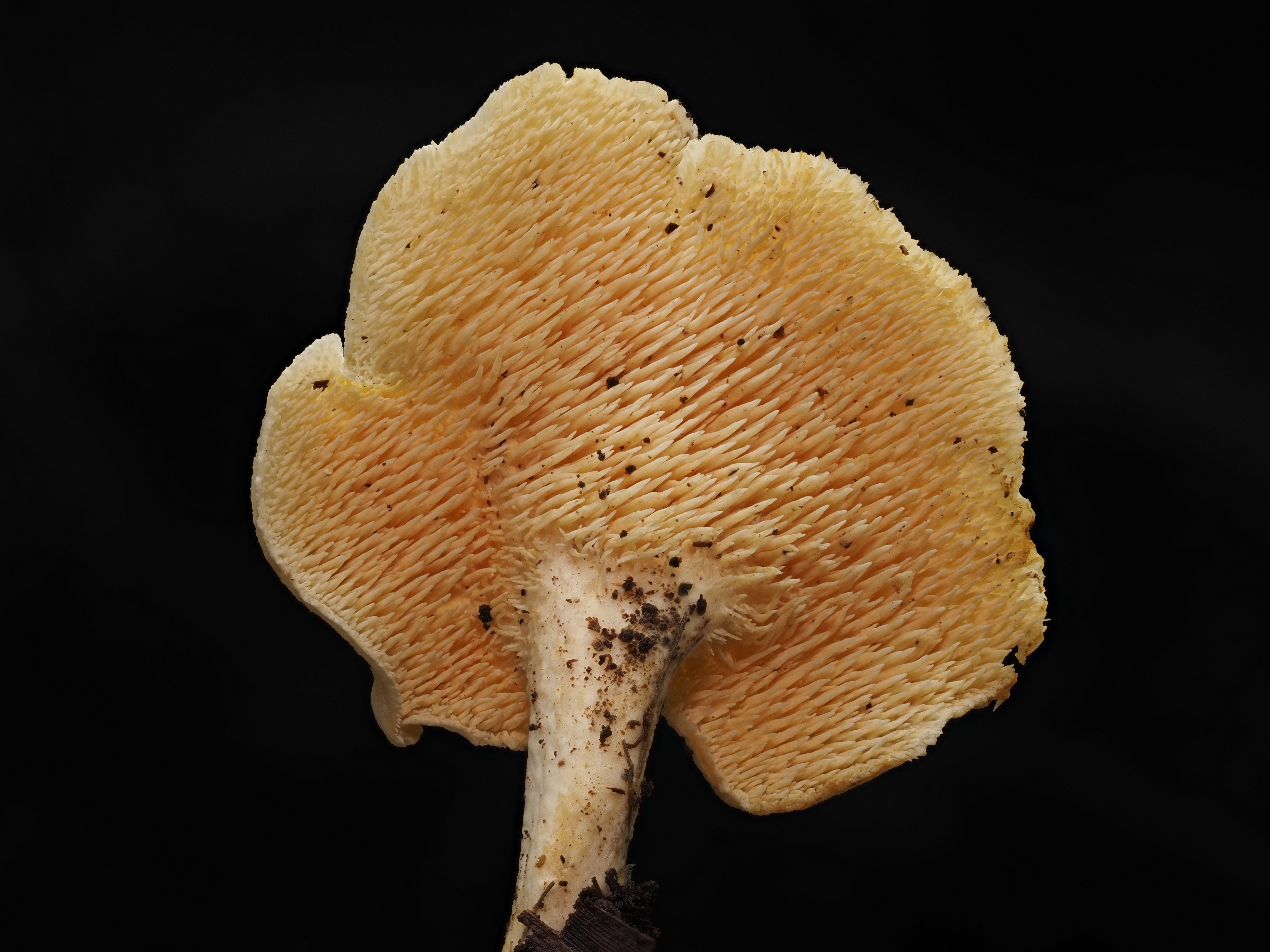
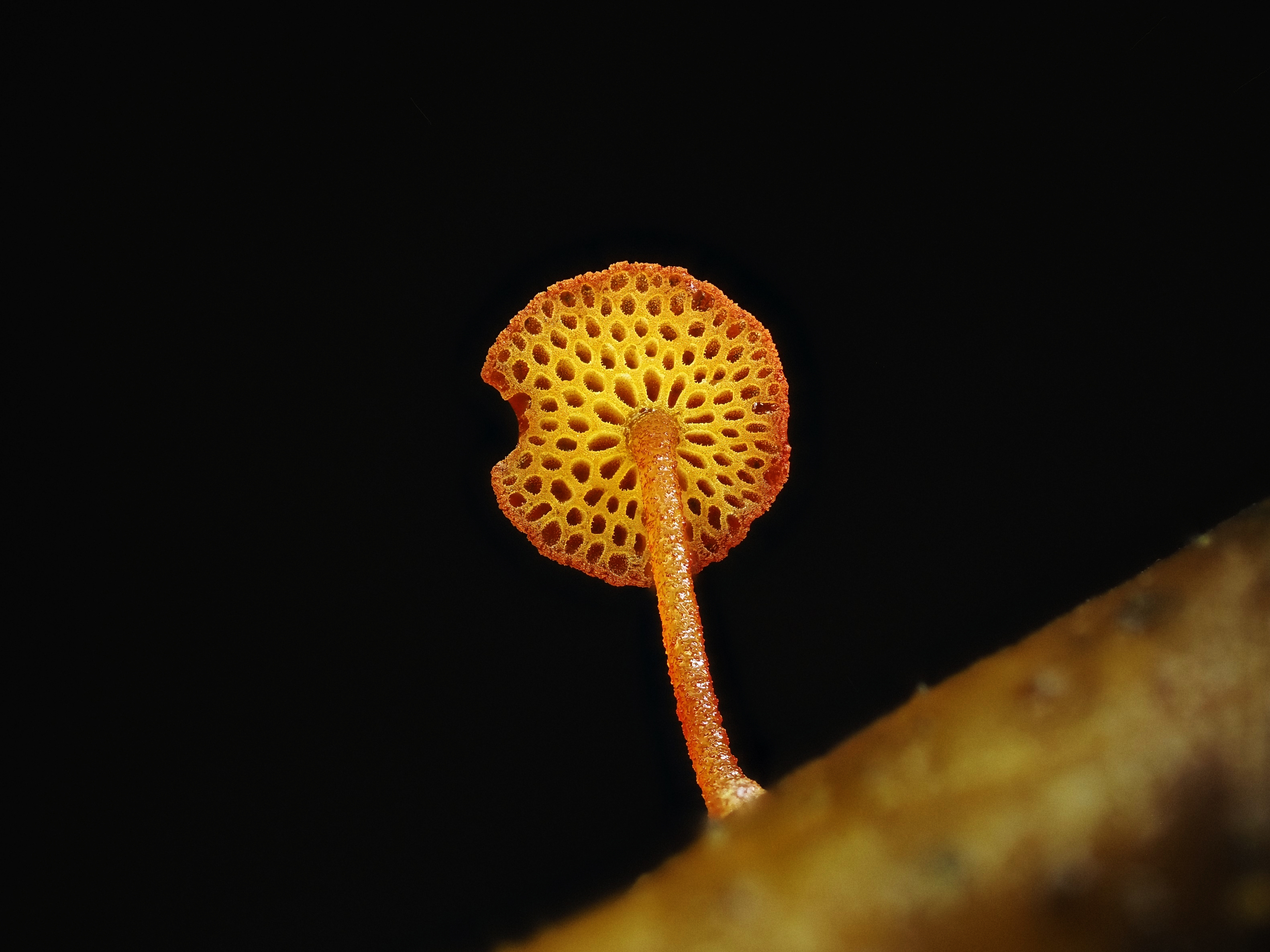
Last October, I flew from Kuala Lumpur to Kota Kinabalu, wrapping up a month in Kuala Lumpur, where I reconnected with friends and re-explored some old stomping grounds.
I even found a new favorite spot, Sungai Congkak.
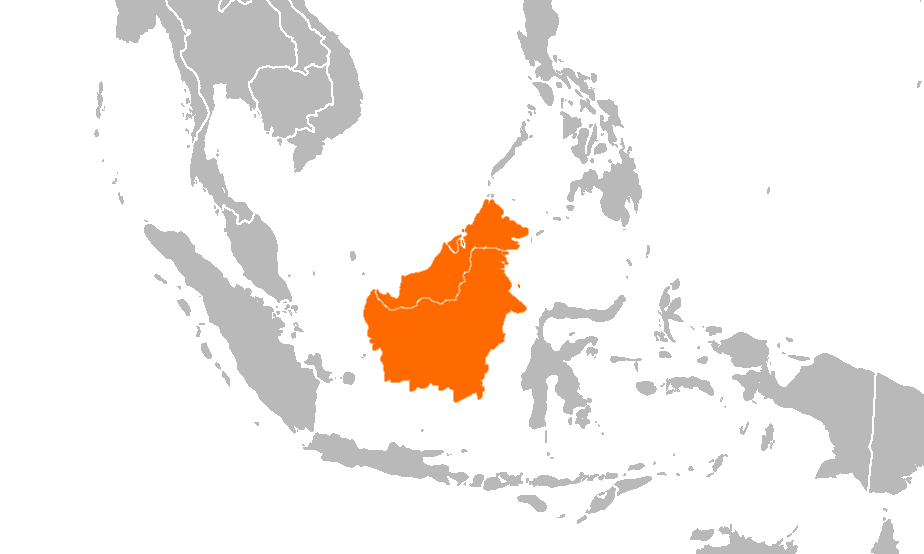
Kota Kinabalu is located in Sabah, which is part of Borneo, the world's third-largest island, which is shared by Malaysia, Brunei, and Indonesia.
After arriving, I quickly realized that public transportation was sparse in KK, and traffic during rush hour was no joke. I managed to grab a Grab (taxi) to Kinabalu Park, about an hour and a half away.
My accommodation was just a short walk from the park, a UNESCO World Heritage site that's more than just home to Malaysia’s tallest mountain—it provides a playground to explore and observe some pretty wild species.
While many head straight for the peak, I was more interested in the trails at the base.
I'm not one for strenuous hikes to mountain tops. I don’t believe in “conquering” peaks. I prefer a leisurely stroll, taking in the sights off the beaten path and keeping an eye out for interesting growth on the forest floor.
I do think life's a bit like a video game - why not enjoy the side quests that most people miss?
This is part one of three, with each article representing a day. In total, I spent three days, 28km, and 18 hours in the bush, and I still felt like I had barely scratched the surface.
Day 1 — Silau-Silau Trail
Right from the get-go, I spotted white powdery tufts coming out from the soil—a familiar sight from my time spent in New Zealand and my encounter with Isaria sinclairii.
Buried, embedded in the soil is an infected cicada pupa, most likely Cordyceps cf. tenuipes.


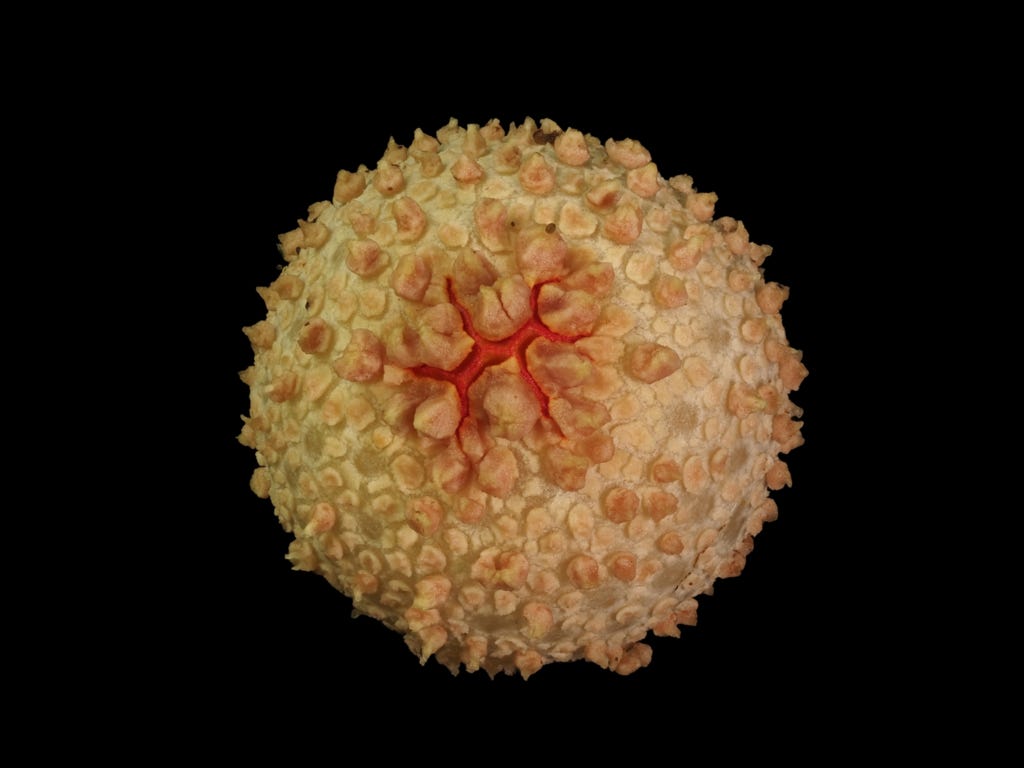
The most abundant species found on the Silau Silau Trail ended up being all growth stages of Calostoma sarasinii.


In a search for music, I typed in ‘Calostoma’ on a whim and stumbled upon a unique audio world: the natural electrical signals of a related species converted into music.
This innovative approach involves capturing bioelectrical signals by placing electrodes in mushrooms, connecting them to soundboards or synthesizers, and translating them into audio through electronic means.
The resulting audio can vary significantly depending on the species of mushroom and its environment. This music wasn’t composed in the traditional sense but was created from the mushrooms' natural bioelectrical signals, which were transformed into hauntingly beautiful sounds using technology.
It’s a fascinating peek into what our Calostoma sarasinii might ‘sound’ like, expressed through the language of nature and technology.
I also found a few brown Calostoma along the way. Although, I’m unsure of the species name.


They resemble puffballs with brightly colored, raised spore openings (ostioles) on thick, gelatinous stalks.
The genus name, derived from the Greek words for “beauty” and “mouth,” is reflected in common names like “prettymouth” and “hotlips.”
Another kind I found looked like an alien egg covered in mucous, which turned out to be Calostoma insigne in the early gelatinous stage of growth.


Forming vital symbiotic relationships with Dipterocarpaceae trees, this unique species is found in Thailand, Malaysia, Indonesia, and Papua New Guinea and is on the IUCN Red List as endangered due to habitat loss.
Below are more mushrooms I found on day 1: